Testing has gone up from around 50 lakh tests per week in early March to around 1.3 crore tests per week now
Localised containment strategies are the need of the hour: PM
PM instructed that testing needs to be scaled up further in areas with high test positivity rates
PM asks for augmentation of healthcare resources in rural areas to focus on door to door testing & surveillance.
Empower ASHA & Anganwadi workers with all necessary tools to boost fight in rural areas: PM
Important to ensure proper distribution of oxygen supply in rural areas: PM
Necessary training should be provided to health workers in the operation of ventilators & other equipment: PM

وزیر اعظم جناب نریندر مودی نے ملک میں کووڈ اور ٹیکہ کاری سے متعلق حالات پر گفت و شنید کے لیے ایک اعلی سطحی میٹنگ کی صدارت کی۔ اہلکاروں نے وزیر اعظم کو ملک میں کووڈ سے متعلق موجودہ حالات کے بارے میں معلومات فراہم کیں۔ وزیر اعظم کو بتایا گیا کہ ملک میں جانچ کی تعداد تیزی سے بڑھی ہے، مارچ کے آغاز میں فی ہفتہ کووڈ-19 کے لیے تقریباً 50 لاکھ جانچ کی جا رہی تھی، جب اب بڑھ کر فی ہفتہ تقریباً 1.3 کروڑ ہو گئی ہے۔ انہوں نے وزیر اعظم کو جانچ میں دھیرے دھیرے کم ہوتی جا رہی مثبت معاملوں کی شرح اور بیماری سے صحت یاب ہونے کی بڑھتی شرح کی بھی جانکاری دی۔ بات چیت کی گئی کہ ہر دن سامنے آ رہے چار لاکھ سے زیادہ معاملے طبی ملازمین، ریاستی حکومتوں اور مرکز کے زیر انتظام علاقوں کی کوششوں کے نتیجہ میں اب کم ہو رہے ہیں۔

افسران نے کووڈ کی ریاستی اور ضلعی سطح کی حالت، جانچ، آکسیجن کی دستیابی، صحت سے متعلق بنیادی ڈھانچے، ٹیکہ کاری روڈ میپ کا ایک وسیع خاکہ پیش کیا۔

وزیر اعظم نے کہا کہ خاص طور سے اُن ریاستوں کے لیے مقامی کنٹرول والی حکمت عملی وقت کی ضرورت ہے جہاں ضلعوں میں جانچ پازیٹویٹی ریٹ (ٹی پی آر) زیادہ ہے۔ انہوں نے ہدایت دی کہ آر ٹی پی سی آر اور ریپڈ ٹیسٹ دونوں کے استعمال کے ساتھ، خاص طور سے اعلی جانچ پازیٹویٹی ریٹ والے علاقوں میں جانچ کو مزید بڑھایا جانا چاہیے۔ وزیر اعظم نے کہا کہ ریاستوں کو اپنی کوششوں کا صحیح نتیجہ نہ ملنے پر نظر آنے والی بڑی تعداد کا دباؤ نہ لیتے ہوئے شفاف طریقے سے اپنی تعداد کی معلومات فراہم کرنے کے لیے آمادہ کیا جانا چاہیے۔ وزیر اعظم نے گھر گھر جاکر جانچ اور نگرانی پر توجہ مرکوز کرنے کے لیے دیہی علاقوں میں طبی وسائل کو بڑھانے کے لیے کہا۔ انہوں نے تمام ضروری وسائل کے ساتھ آشا اور آنگن واڑی ملازمین کو با اختیار بنانے کے بارے میں بھی بات کی۔ وزیر اعظم نے دیہی علاقوں میں ہوم آئیسولیشن اور علاج کے لیے رہنما خطوط تصاویر کے ساتھ ساتھ آسان زبان میں مہیا کرانے کو کہا۔

وزیر اعظم نے ہدایت دی کہ دیہی علاقوں میں آکسیجن کی سپلائی کو یقینی بنانے کے لیے تقسیم کا ایک منصوبہ تیار کیا جائے، جس میں آکسیجن کنسنریٹرس کا التزام شامل ہے۔ وزیر اعظم نے کہا کہ ایسے آلات کو چلانے کے لیے طبی ملازمین کو ضروری ٹریننگ فراہم کی جانی چاہیے اور ایسے طبی آلات کو موزوں طریقے سے استعمال کرنے کے لیے بجلی کی سپلائی کو یقینی بنایا جانا چاہیے۔

وزیر اعظم نے کچھ ریاستوں میں وینٹی لیٹر کے اسٹوریج میں پڑے ہونے کی کچھ رپورٹوں کو سنجیدگی سے لیا اور ہدایت دی کہ مرکزی حکومت کے ذریعے دیے گئے وینٹی لیٹر کے استعمال اور آپریشن کا فوری آڈٹ کیا جانا چاہیے۔ انہوں نے کہا کہ ضروری ہو تو طبی ملازمین کو وینٹی لیٹر کو ٹھیک سے چلانے کے لیے ریفریشر ٹریننگ دی جانی چاہیے۔

وزیر اعظم نے کہا کہ کووڈ کے خلاف بھارت کی لڑائی کی سائنس دانوں اور موضوع کے ماہرین نے رہنمائی کی ہے اور یہ جاری رہے گی۔

افسران نے وزیر اعظم کو ٹیکہ کاری کے عمل اور 45 سال سے زیادہ عمر کی آبادی کو ریاست وار طریقے سے دیے گئے ٹیکہ کے بارے میں معلومات فراہم کی۔ مستقبل میں ٹیکہ کی دستیابی کے روڈ میپ پر بھی گفتگو ہوئی۔ انہوں نے افسران کو ٹیکہ کاری کی رفتار تیز کرنے کے لیے ریاستوں کے ساتھ مل کر کام کرنے کی ہدایت دی۔


Explore More
شری رام جنم بھومی مندر دھوجاروہن اتسو کے دوران وزیر اعظم کی تقریر کا متن

Popular Speeches

شری رام جنم بھومی مندر دھوجاروہن اتسو کے دوران وزیر اعظم کی تقریر کا متن
Regional languages take precedence in Lok Sabha addresses

Media Coverage

Regional languages take precedence in Lok Sabha addresses
NM on the go

Nm on the go

Always be the first to hear from the PM. Get the App Now!
...
Cabinet approves three new corridors as part of Delhi Metro’s Phase V (A) Project
December 24, 2025

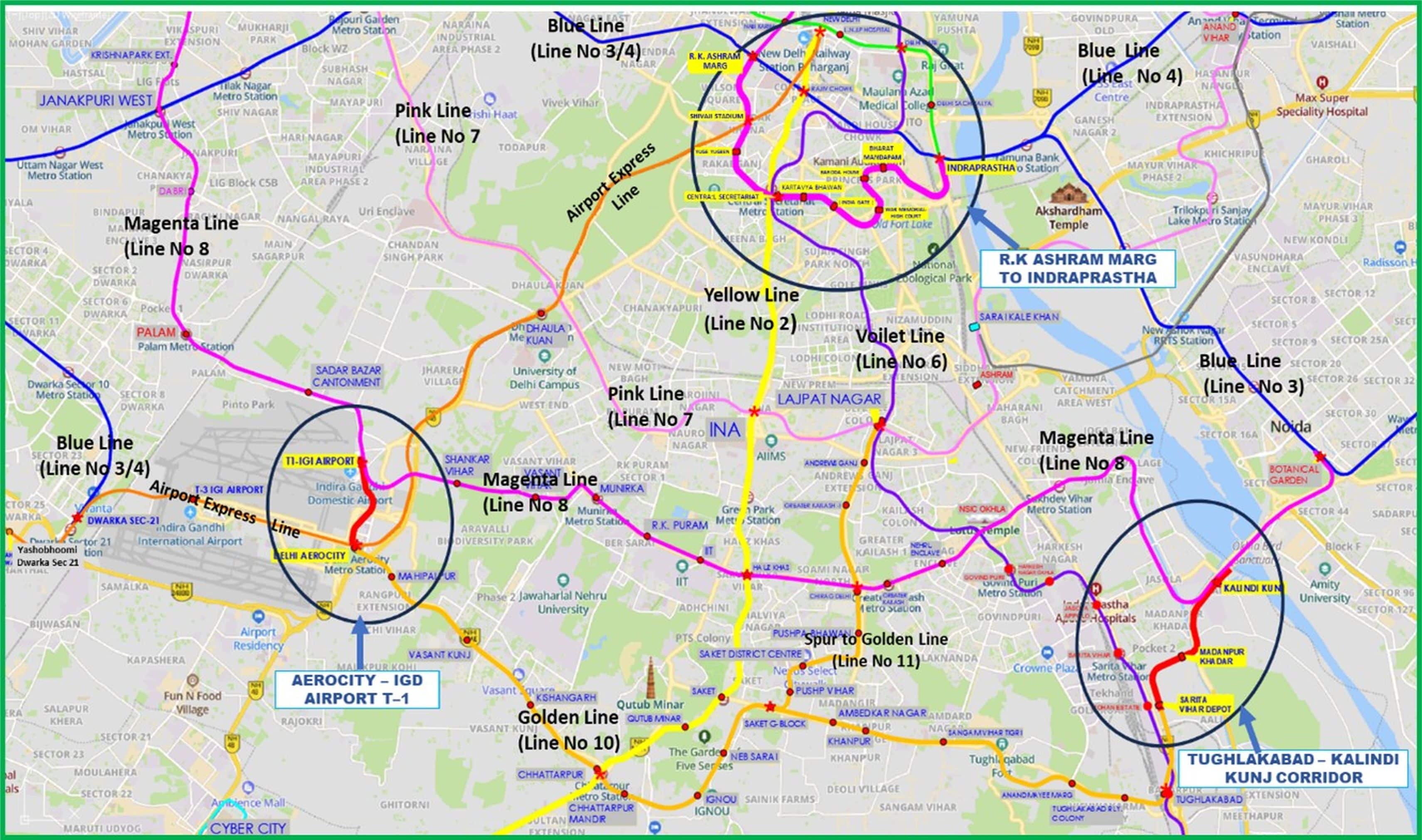
The Union Cabinet chaired by the Prime Minister, Shri Narendra Modi has approved three new corridors - 1. R.K Ashram Marg to Indraprastha (9.913 Kms), 2. Aerocity to IGD Airport T-1 (2.263 kms) 3. Tughlakabad to Kalindi Kunj (3.9 kms) as part of Delhi Metro’s Phase – V(A) project consisting of 16.076 kms which will further enhance connectivity within the national capital. Total project cost of Delhi Metro’s Phase – V(A) project is Rs.12014.91 crore, which will be sourced from Government of India, Government of Delhi, and international funding agencies.

The Central Vista corridor will provide connectivity to all the Kartavya Bhawans thereby providing door step connectivity to the office goers and visitors in this area. With this connectivity around 60,000 office goers and 2 lakh visitors will get benefitted on daily basis. These corridors will further reduce pollution and usage of fossil fuels enhancing ease of living.

Details:

The RK Ashram Marg – Indraprastha section will be an extension of the Botanical Garden-R.K. Ashram Marg corridor. It will provide Metro connectivity to the Central Vista area, which is currently under redevelopment. The Aerocity – IGD Airport Terminal 1 and Tughlakabad – Kalindi Kunj sections will be an extension of the Aerocity-Tughlakabad corridor and will boost connectivity of the airport with the southern parts of the national capital in areas such as Tughlakabad, Saket, Kalindi Kunj etc. These extensions will comprise of 13 stations. Out of these 10 stations will be underground and 03 stations will be elevated.

After completion, the corridor-1 namely R.K Ashram Marg to Indraprastha (9.913 Kms), will improve the connectivity of West, North and old Delhi with Central Delhi and the other two corridors namely Aerocity to IGD Airport T-1 (2.263 kms) and Tughlakabad to Kalindi Kunj (3.9 kms) corridors will connect south Delhi with the domestic Airport Terminal-1 via Saket, Chattarpur etc which will tremendously boost connectivity within National Capital.

These metro extensions of the Phase – V (A) project will expand the reach of Delhi Metro network in Central Delhi and Domestic Airport thereby further boosting the economy. These extensions of the Magenta Line and Golden Line will reduce congestion on the roads; thus, will help in reducing the pollution caused by motor vehicles.

The stations, which shall come up on the RK Ashram Marg - Indraprastha section are: R.K Ashram Marg, Shivaji Stadium, Central Secretariat, Kartavya Bhawan, India Gate, War Memorial - High Court, Baroda House, Bharat Mandapam, and Indraprastha.

The stations on the Tughlakabad – Kalindi Kunj section will be Sarita Vihar Depot, Madanpur Khadar, and Kalindi Kunj, while the Aerocity station will be connected further with the IGD T-1 station.

Construction of Phase-IV consisting of 111 km and 83 stations are underway, and as of today, about 80.43% of civil construction of Phase-IV (3 Priority) corridors has been completed. The Phase-IV (3 Priority) corridors are likely to be completed in stages by December 2026.

Today, the Delhi Metro caters to an average of 65 lakh passenger journeys per day. The maximum passenger journey recorded so far is 81.87 lakh on August 08, 2025. Delhi Metro has become the lifeline of the city by setting the epitome of excellence in the core parameters of MRTS, i.e. punctuality, reliability, and safety.

A total of 12 metro lines of about 395 km with 289 stations are being operated by DMRC in Delhi and NCR at present. Today, Delhi Metro has the largest Metro network in India and is also one of the largest Metros in the world.